One device for all three jobs
Instead of a glass plus a phone, a single mixed-reality headset can share the view, translate, and measure on its own. Here is the honest analysis of that path, and how Meta Quest 3, Quest 3S, Apple Vision Pro, and Samsung Galaxy XR compare.
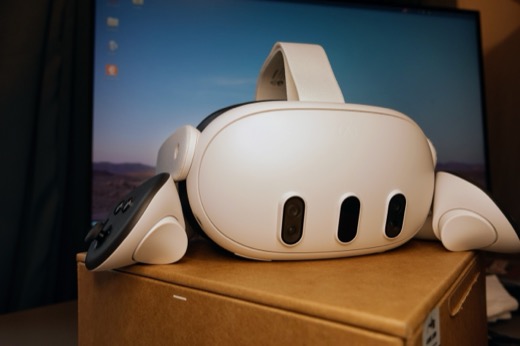
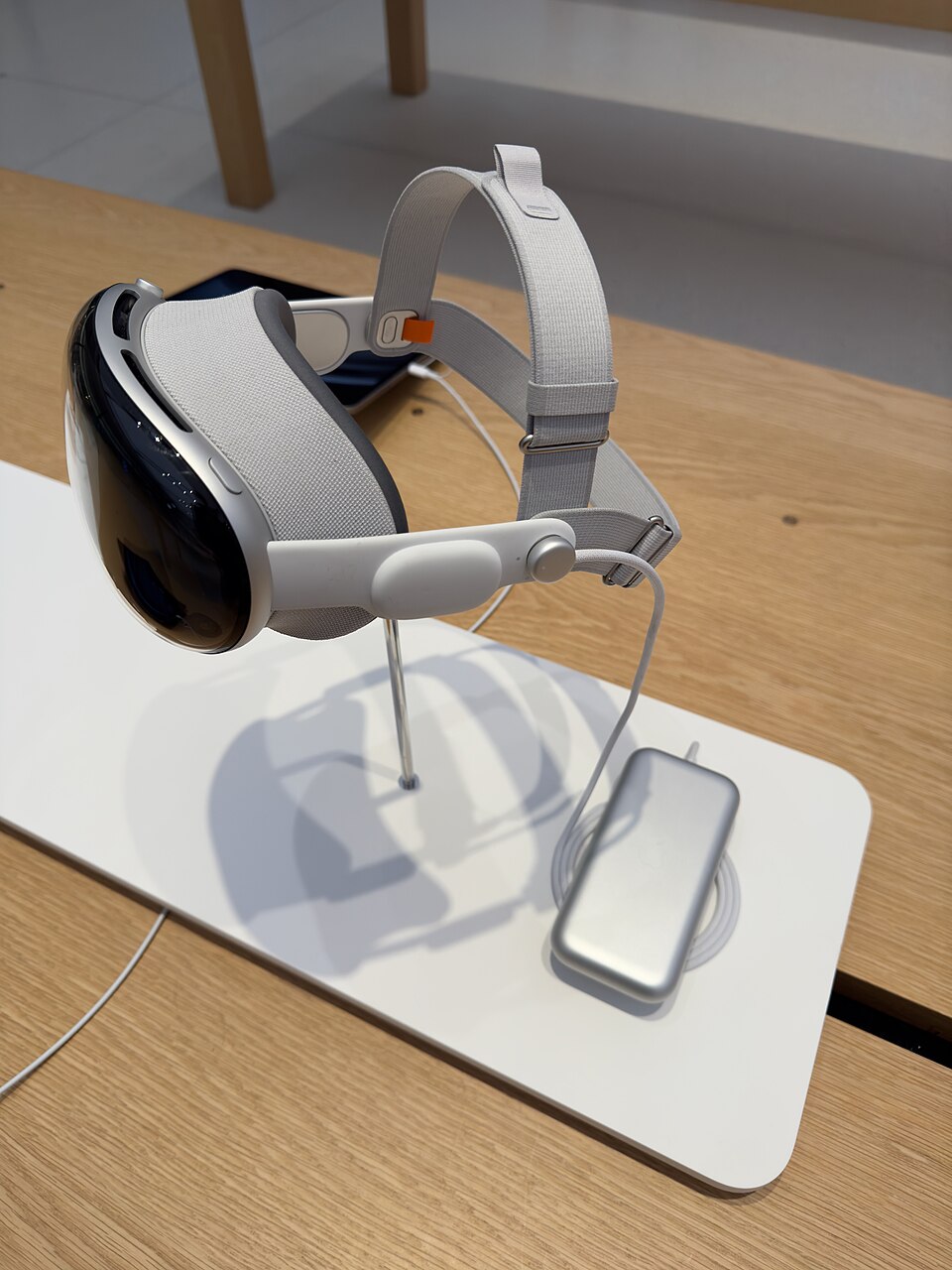
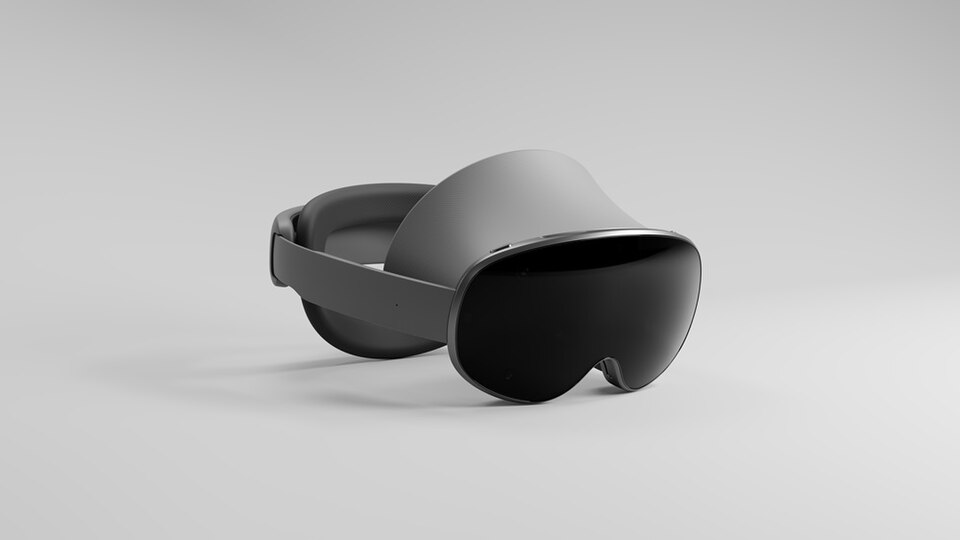
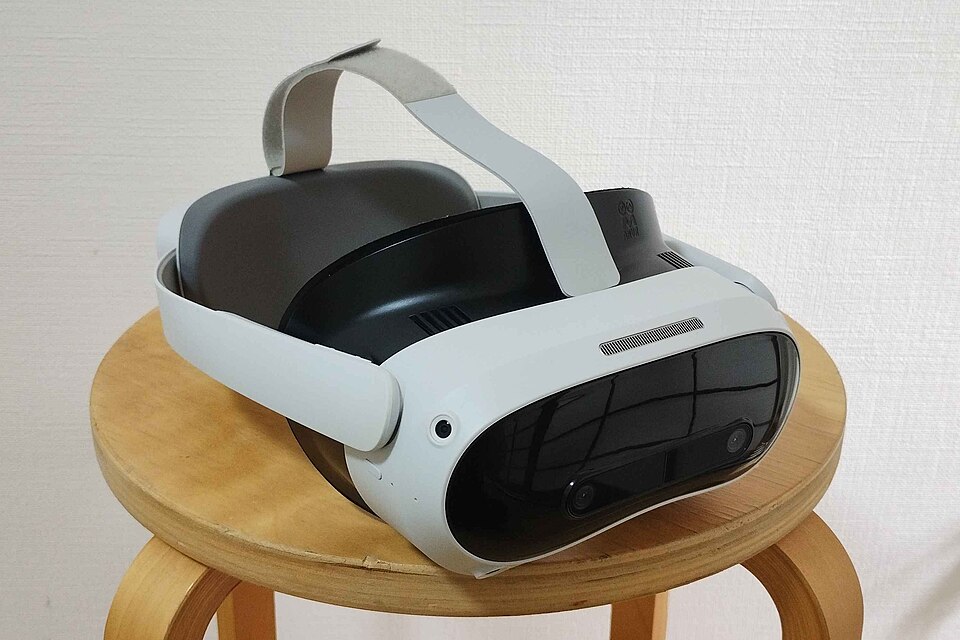
The idea
Why a headset, and what it costs you
What you gain
- One device, one camera, one map of the room, so measurement and overlays line up with no marker or cross-device sync
- The only kind of device that can measure in 3D on its own, no phone needed
- Runs the full Android or visionOS app store, so video calls and translation apps are available
What it costs
- Heavy: 515 g to over 1 kg, and most last only about 2 hours, so not for a full shift
- Bulky and enclosed, less natural for a worker moving around a floor than light glasses
- The best options are either not sold in Japan and Thailand, or need an enterprise licence for the camera
The headsets, rated
All the candidates, side by side
| Headset | Share | Translate | Measure | Price | Weight | Buy in JP / TH | Best role |
|---|
Weight and comfort
Why a headset is a session tool, not all-shift
Every headset sits above the weight where all-day comfort gets hard. The green band is light enough for long wear, and none of the headsets land inside it. Heavier is redder.
Value map
Price against total fit
Each headset by price (sideways) and total fit on the three jobs (up, out of 9). Top-left is the sweet spot: cheaper and more capable. The color shows whether you can actually buy it in Japan or Thailand, which is the real filter.
Fit adds the three jobs (◎ = 3, ○ = 2, △ = 1, × = 0). Galaxy XR scores highest but is red, it is not sold here. Quest 3 is the best buyable value.
The honest reality
No single headset does all three for a full shift
The three jobs pull toward different shapes of device. Sharing and translating want a light thing you wear all day. Measurement wants a heavy thing with depth sensors. A headset is great at the second and poor at the first.
The research backs this. Headset weight cuts comfortable wear time fast, about eleven minutes lost for every 33 grams added, and monocular smart-glasses users report high eye fatigue after a shift. See the evidence page for the papers.
So we treat a headset as a focused tool: a fixed measurement or inspection station, or the seat the remote expert uses, not the thing the worker wears all day.
The verdict
If the client picks a headset
Nothing beats Quest 3 as the cheap, open way to build the measurement
- Meta Quest 3 is the pick for the measurement engine and the proof of concept. It is the only consumer-priced headset with a full, no-licence camera, depth, and mesh SDK.
- Samsung Galaxy XR is the best all-rounder on paper, with open camera access and native Gemini translation in all three languages, but it is not sold in Japan or Thailand, so you cannot buy it for the factory.
- Apple Vision Pro is best as the remote-expert seat in the office, because it has the best native Zoom, Teams, and Webex. It is too heavy and costly to be the worker device.
- Pico 4 Ultra Enterprise is the deployable alternative with a real Thailand sales channel and fleet management, if the client accepts a ByteDance device and Pico confirms the camera access.
- Keep the worker on light glasses for the floor, and put the headset at a fixed station for the measurement job. See the plan and the measurement decision.