Smart glasses study · device study 01/18 ←/→ navigate · G overview · F full screen
Techno Brave Asia · XR team

Smart glasses study

Choosing the right device, with evidence.

A source-checked 2026 device study · present-live deck

The brief

Three features for the demo

The worker on the floor needs three things, hands-free, for the Germany expo in October 2026.

Share the view

A remote expert watches the live camera and talks the worker through it.

Translate JP · TH · EN

Live translation across Japanese, Thai, and English, spoken in the ear.

Measure in 3D

Place a 3D object and size a real part, gap, or clearance.

Demo target: the Germany expo, October 2026.

Scope

Remote help, made simpler

The client relaxed the remote-assist part. It no longer needs 3D annotation or a certified AR platform.

Before

Certified AR remote assistance, with world-locked 3D annotation on the live video. A heavy, licensed platform.

Now

Share the live camera plus voice. Any video call works, Zoom, Teams, Meet. This reopened the device choice to lighter, cheaper options.

All three features still required. The deliverable presents device combinations, not one device.

The map

Every device fits one of four groups
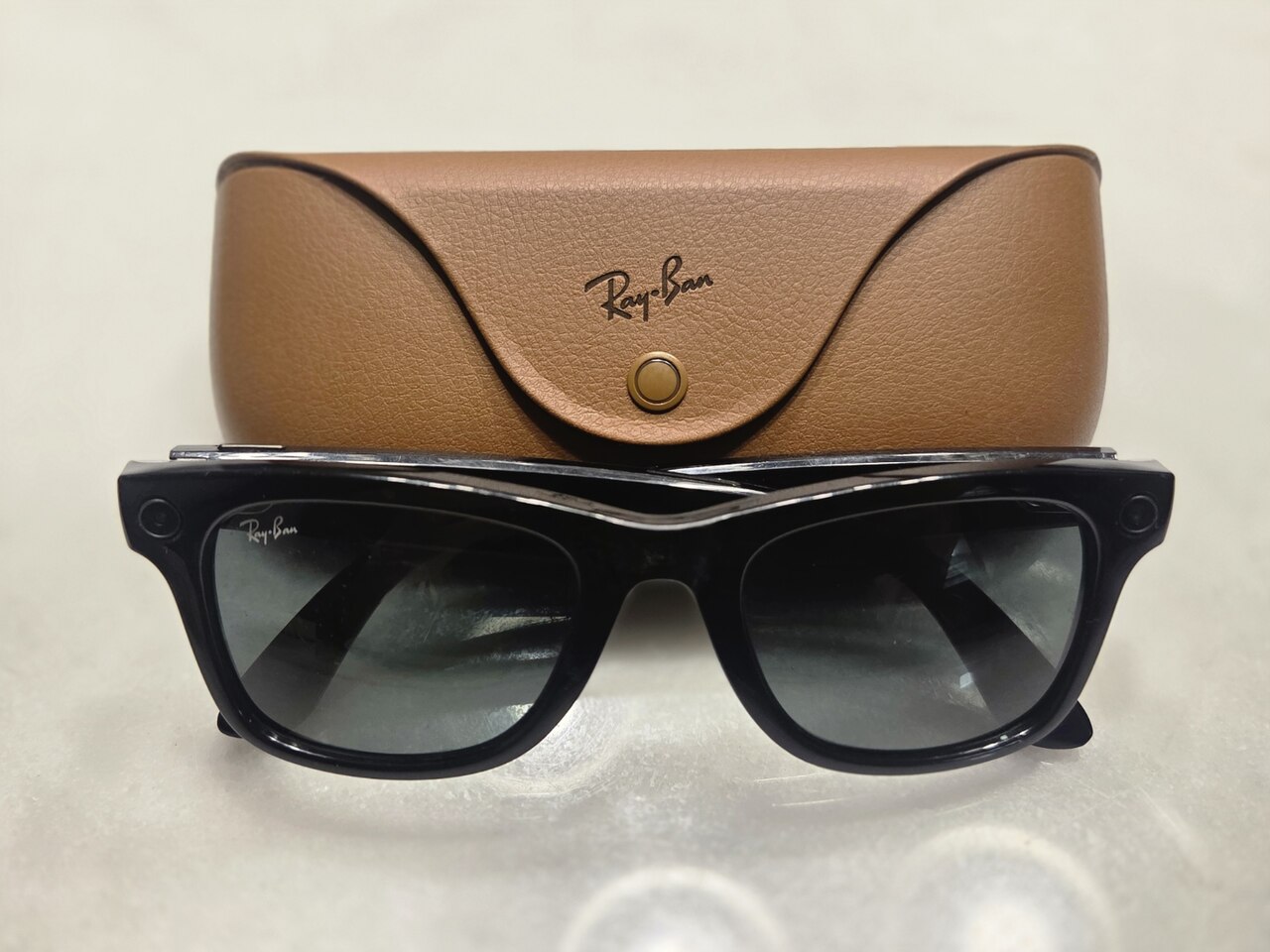
Consumer AI glasses

Meta · Rokid · Even · RayNeo
+Light, all-day, good audio and translation, cheap.
Camera often locked to maker apps (Meta), limited measure, openness varies by maker.

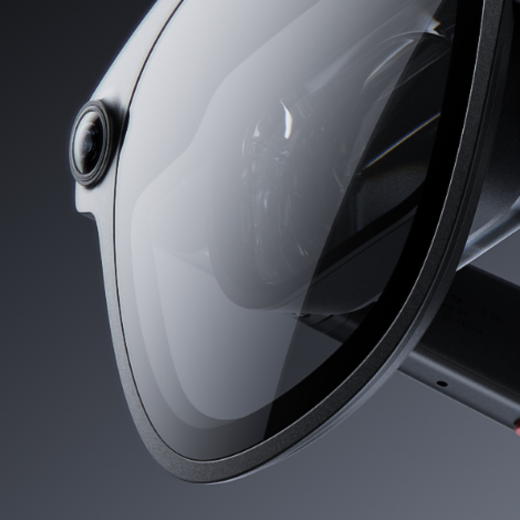
AR / spatial glasses

XREAL · Viture · Rokid AR
+Big screens or 6DoF AR; Android-XR ones are open.
Often tethered; the best ones are still upcoming.

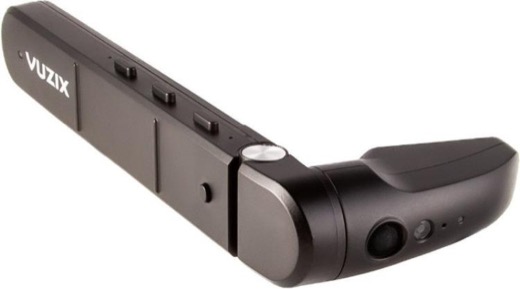
Industrial assisted-reality

Vuzix · RealWear · Moziware
+Rugged, hands-free; runs YOUR Zoom or Teams.
Small display, 3DoF, no real-part measure.

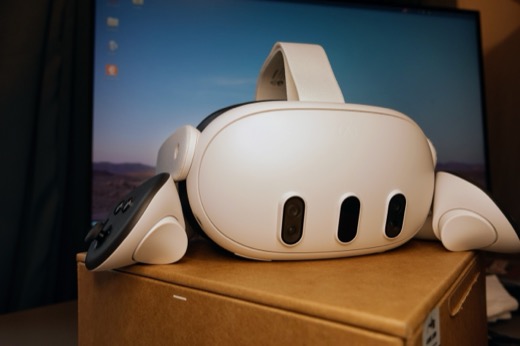
MR / VR headsets

Quest 3 · Vision Pro · Pico

+Depth and 6DoF, so real 3D measure.
Bulky, not for all-day floor wear.

Pick the family whose fundamentals already match the task. A device rarely grows a new core ability by update.

How to choose

Three gates, in priority order

1
Highest · capability fit

Does it actually do the job?

Camera-share through which app? The exact language list, not a count? Native depth for measure? Gate on this first, it is non-negotiable.

2
Then · cost and longevity

Still here in three years, at a known price?

Prefer on-sale, supported hardware. Avoid discontinued or end-of-life lines, and unpriced upcoming units.

3
Last · software openness

Can you install your own software?

Prefer open Android with sideload over a closed maker OS. Openness breaks ties between devices that already pass.

Corrected fact · verified 2026

Meta Ray-Ban: yes, but on Meta's terms

An earlier note was wrong. The Ray-Ban Meta does share a live view, but today only inside Meta's own apps, never Zoom or Teams. A partner toolkit is now in developer preview.

Allowed

MessengerWhatsAppInstagramBe My Eyes

Blocked

ZoomTeamsTeamViewerYour support app

Translation now covers Japanese, Thai, and English online (a 2026 addition). The Meta line is out because its camera shares only to Meta's own apps, not your own software.

Languages

Japanese + Thai + English is the hard gate

Verify the literal vendor language list, not a count. Meta and RayNeo both now cover all three, but RayNeo shows it on the lens and has a camera.

RayNeo X3 Pro

All three, on-lens

Names Japanese, Thai, and English on the lens, vendor-confirmed, with a real camera. Sideload-only Android, so test the build path.

Meta Ray-Ban

All three (online)

Japanese, Thai, and English now supported online. But the camera shares only to Meta's own apps.

Even Realities G2

No Thai · no camera

Japanese and English, but no Thai, and no camera at all.

Safe path: run translation on a paired phone app, or trust only a glass that lists all three on its spec page.

Camera share

Whose app gets the camera?

For see-what-I-see into your own tool, the family matters more than the spec sheet.

Industrial glasses win

Vuzix, RealWear, and Moziware run open Android, so they stream into your own Zoom, Teams, TeamViewer, or VSight. An expert just dials in.

Consumer glasses do not

Meta shares mainly inside its own apps, with a partner toolkit now in preview. Even Realities has no camera. So a consumer pair still cannot plug into a support tool you choose today. The exception is an AR display glass like RayNeo, where we build the share ourselves with its documented camera API.

See the animated explainer on the See-what-I-see page.

New condition · the BD team

Keep only the last three years

Every device by launch year. The shaded zone is 2023 to 2026. Drawn out, the catch is obvious.

Industrial Consumer AI AR / spatial MR / VR headset ▦ older but supported ▦ discontinued
Recommendation

Judge by "sold and supported", not launch year

The catch: a literal three-year cut deletes the whole industrial family (Vuzix M400, Moziware, RealWear), the one family that natively does camera-share with your own tools.
The fix: keep the three-year idea, but measure it by active sales and support in 2026, not launch date. Keeps the proven Vuzix M400, still drops HoloLens 2, Magic Leap 2, and the discontinued XREAL Air 2 Ultra.
Reply to the BD team: A three-year window is a good default, and we do not need a longer one. I suggest we measure recency by whether a model is still sold and supported, not only its launch year, so we keep the industrial glasses that fit the task best and still drop the dead devices.
Newest finding

We build the measurement ourselves

The team will develop the 3D measurement in-house, glass-only if we can, or glass plus phone. Good news first.

At ±1–2 cm you do not need LiDAR.

A normal moving camera, through ARCore or ARKit, builds depth. So the deciding factor is which device gives open access to its camera and sensors.

Drawn out

Why only a few can do it on the glass

A glass-only build needs two things at once: open camera access, and real 6DoF plus depth.

Glass-only buildable open camera + 6DoF + depth Wear it — a phone measures No usable camera locked open Developer access to the camera and sensors → On-device sensing: 3DoF → 6DoF + depth Meta Quest 3 Apple Vision Pro (enterprise) XREAL Aura (upcoming) XREAL Air 2 Ultra (to confirm) Vuzix M400 Moziware Cimo RealWear 520 Ray-Ban Meta Even Realities G2
Two paths

The safe path, and the stretch goal

Phone plus glass · safe

The phone runs ARCore or ARKit and measures, the glass shows the result. Works with the industrial glasses you wear. Mature, low risk.

Glass-only · stretch

Only a 6DoF device with open camera access. Meta Quest 3 is the verified one, with raw frames, depth, and a room mesh. Vision Pro needs an enterprise licence.

Honest accuracy note: no vendor doc promises ±1–2 cm. It is realistic for a near-range single shot, but it must be tested on the real device. Avoid plain SLAM anchor distance, its drift ran 1 to 43 cm in tests.
Scorecard

The shortlist, scored

DeviceRecencyShare viewJP+TH+ENBuild measure
excellent yes partial / phone-assist× no

◎ build-measure is verified glass-only (Quest 3). △ is phone-assist, the glass displays while a phone measures.

Recommendation

We recommend Path 3

Four paths deliver the three features. Our pick is Path 3, a light AR glass plus a phone, where we build the share ourselves. It is the lightest to wear and the cheapest to run.

Path 1 · ~$600

Headset only

Quest 3, measures on its own. The biggest build.

Path 2 · ~$2,300–2,800

Industrial + phone

Buy the share. The safe fallback for the demo.
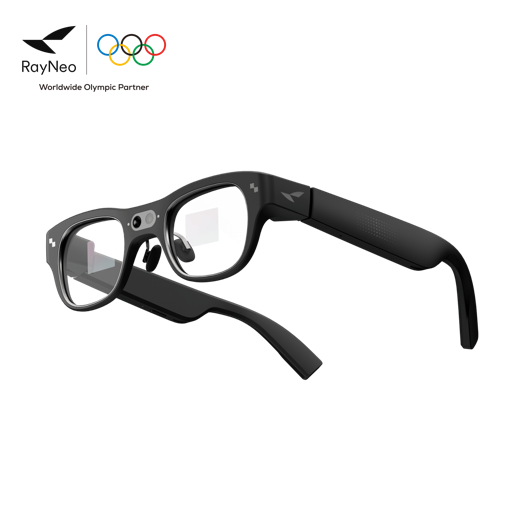
Path 3 · $1,700–2,300 · our pick

AR glass + phone

RayNeo or XREAL One Pro. We build the share. Lightest, cheapest to run.

Path 4 · ~$1,500

Wait for Aura

One glass, ships Fall 2026. Track for later.

Safe fallback for the demo: Path 2, an industrial glass plus a phone with in-market software. Within Path 3, which glass to pick is next.

Path 3 · which glass

RayNeo X3 Pro, or XREAL One Pro?

Two glasses fit our recommended path. RayNeo is standalone, with on-lens translation and a built-in camera. The One Pro is a cheaper tethered display that needs the Eye camera.

Pick for the worker · ~$1,300

RayNeo X3 Pro

Standalone, runs the app itself. Japanese, Thai, English on the lens, free. Built-in 12MP camera, ~76g. The best worker experience.

Cheaper build base · ~$700

XREAL One Pro + Eye

Tethered display, the app runs on the phone. Add the $99 Eye for a camera. Best display, on sale in Japan, lowest-risk build.

Pick RayNeo for the worker if we can buy it in Japan and the one-day camera test passes. Otherwise the One Pro, half the price and on sale in Japan. Full head to head on the Path 3 page.

The work behind it

Evidence, not opinion

0
devices compared
0+
research agents
0
sources checked
0/75
claims confirmed

Four source-checked deep-research passes, each claim adversarially verified against vendor pages.

Honest about the evidence

What is solid, what to re-check

Verified

The corrected Meta facts, the four families and the framework, the recency timeline, and the measurement SDK paths (Quest 3, ARCore, NRSDK) are checked against vendor pages.

Still to confirm

The Vuzix M400 camera calibration for a phone pipeline, the real ±1–2 cm error on hardware, and that language lists have not moved. Re-check before purchase.

Industrial glasses and headsets are described by family. Each exact model still needs its own vendor-page check.

Techno Brave Asia

Small team, big impact.

The full study lives on our shared site, with the interactive explorer, the strategy, and the journey.

Smart glasses study · all slides